Windowsill Harvest: Growing Cardamom, Ginger, and Tulsi for Your Morning Pot (Even in Zone 5)
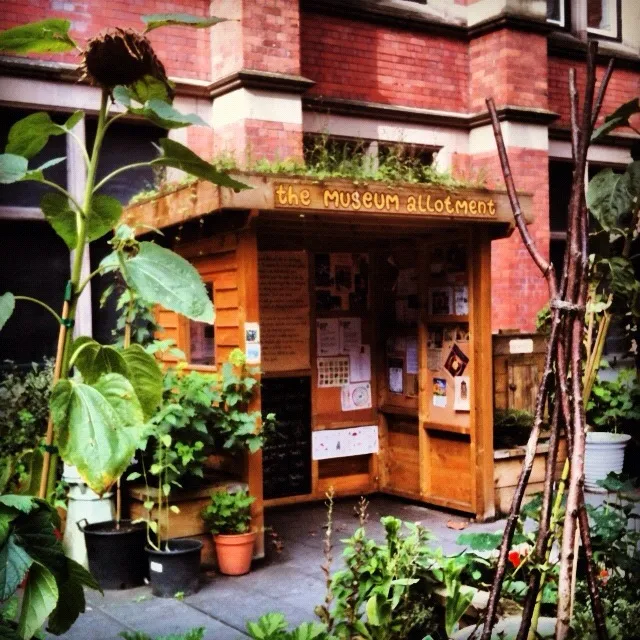
Photo: akhenatenator, CC0, via Wikimedia Commons
There's a moment every homegrown gardener chases: you pinch a leaf, crush it between your fingers, and realize the jar in your spice cabinet has been lying to you for years. Tulsi grown three feet from your kettle smells like nothing you can buy.
Good news for chai lovers in apartments and cold climates — you don't need a greenhouse in Kerala to grow your own chai garden. You need a sunny window, a few pots, and a lot of patience. Here's what a full year of windowsill experimentation taught us.
Start With the Realistic Ones
Not all chai spices are windowsill material. Cinnamon comes from tree bark; black pepper needs a tropical vine and years of waiting. Skip those. But four plants genuinely thrive indoors in American homes:
- Ginger — fast, forgiving, and productive
- Tulsi (holy basil) — practically a weed once established
- Mint — will try to take over your whole windowsill
- Cardamom — the long game, but possible
Ginger: Your First Win
Buy an organic hand of ginger from the grocery store (organic matters — conventional is often treated to prevent sprouting). Soak it overnight, then plant a chunk with visible eyes in a wide, shallow pot — ginger grows sideways, not down.
Use a rich potting mix, keep it consistently moist, and place it in bright, indirect light. Shoots appear in two to six weeks; don't panic if it's slow. The real harvest comes in eight to ten months, when the leaves start yellowing. But here's the secret: you can sneak baby ginger earlier, around month four. Young ginger is milder, less fibrous, and honestly better in chai than anything at the store.
Tulsi: The Plant That Gives Back
Tulsi is the easiest win in the whole garden. Seeds are cheap and widely available from US seed companies like Johnny's Selected Seeds or Baker Creek. Sow them on the surface of moist soil — they need light to germinate — and keep them warm. Sprouts show up within two weeks.
Once it's going, tulsi is bulletproof. Pinch it back regularly to keep it bushy, and it will produce handfuls of aromatic leaves all summer. In winter, it slows down but survives near a south-facing window. The flavor of fresh tulsi in a simmering pot of chai is floral, clove-like, and slightly peppery — noticeably brighter than the dried stuff.
Mint: Almost Too Easy
Mint is less a gardening project than a commitment to containment. Plant it in its own pot or it will bully everything nearby. Spearmint is the classic chai choice; peppermint works too if you like a cooler edge.
Give it moderate sun and regular water, and you'll be snipping sprigs within a month. Toss a few leaves into the pot during the boil — fresh mint chai in July, made with mint you grew yourself, is a genuine small luxury.
Cardamom: The Long Game
Let's be honest: growing cardamom to harvest in the US is a patience project. The plant — a relative of ginger — needs warmth, humidity, and bright filtered light. It can take three or more years before pods appear, and indoor fruiting is rare outside the Gulf Coast states.
But the plant itself is gorgeous, with lush, arching leaves that smell faintly of cardamom when brushed. If you live in zone 10 or warmer, you have a real shot. Everywhere else, treat it as a beautiful houseplant with a lottery-ticket upside. Order rhizomes from a specialty nursery rather than starting from grocery-store seeds, which are usually not viable.
The Setup That Works
One deep south- or west-facing window handles all four plants. In winter, or in darker apartments, a basic full-spectrum LED grow light (about $25) fills the gap. Terracotta pots breathe and prevent soggy roots; a saucer underneath doubles as a humidity tray. Water when the top inch of soil dries out, and feed lightly with fish emulsion once a month during the growing season.
How It Tastes in the Pot
So is it worth it? We brewed side-by-side pots: one with store-bought dried ginger and tulsi, one with fresh harvests. The difference is real. Fresh ginger is brighter and juicier, with none of the dusty bite of powder. Fresh tulsi and mint add a green, alive quality that dried herbs can't fake.
Where homegrown falls short: volume. A windowsill won't replace your cardamom supply, and fresh spices mean adjusting your ratios — use about a third less fresh ginger than dried by weight, and add tender herbs in the last minute of the simmer so they don't turn bitter.
Start This Weekend
Grab a knob of organic ginger and a packet of tulsi seeds. In a few months, you'll be tearing leaves off a plant you grew, dropping them into a rolling boil, and pouring a cup that tastes like your window and your patience — the most personal chai you've ever made.