Follow the Cardamom: Tracing Chai's Spices From Farm to Your Kitchen Shelf
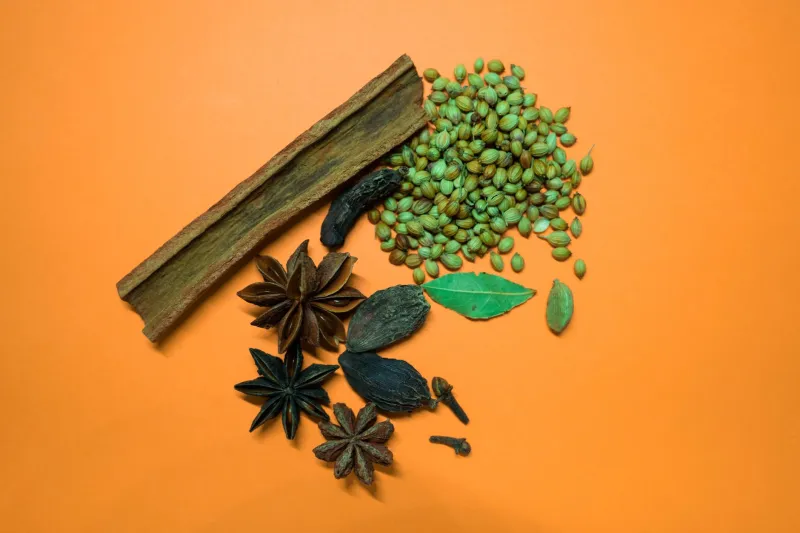
There's a moment every chai brewer knows: you crack open a jar of cardamom pods, and either you get hit with that resinous, almost eucalyptus perfume — or you get nothing. Same jar, same label. The difference is everything that happened before the spice reached your shelf.
We wanted to know where chai's signature spices actually come from, so we followed them from the field to the bin. What we found changed how we shop, and it'll probably change how you brew.
Cardamom: The Queen From Two Hemispheres
Green cardamom, the most expensive spice in most chai blends after saffron, has a surprising American connection. While India's Kerala region grows legendary cardamom in the Western Ghats, Guatemala is now the world's largest exporter. Much of what's sitting in US grocery stores right now grew on shade-covered slopes in Alta Verapaz.
Kerala's "Malabar" cardamom is prized for larger pods and deeper, camphor-forward complexity. Guatemalan pods tend to be brighter and greener. Neither is wrong — but if a label doesn't tell you the origin, you're paying premium prices for a mystery.
Cloves and Cinnamon: Island Stories
Cloves are the dried flower buds of a tree native to the Maluku Islands of Indonesia. Today, Madagascar and Indonesia dominate the trade, with Sri Lankan and Indian clove production largely serving domestic markets. Fresh cloves are plump and oily — press one with a fingernail and it should give a little and smell piercingly aromatic.
Cinnamon is where label-reading really matters. Most "cinnamon" in the US is actually cassia, from China or Indonesia — bold, spicy, and great in chai, honestly. But true Ceylon cinnamon, from Sri Lanka, is softer, sweeter, and comes in delicate quills you can crumble by hand. Ceylon also contains far less coumarin, the compound that gives cassia its bite. For a traditional, rounded chai, many blenders use both.
Ginger: Fresh, Dried, and Everything Between
Chai's warming backbone comes from ginger, and here the sourcing story splits. Fresh ginger in US supermarkets is largely grown in Hawaii, Peru, and China, depending on the season. Dried ginger powder for spice racks typically comes from India and Nigeria, where the rhizomes are sun-dried, which concentrates the heat and gives a different character than fresh.
For chai, this matters: fresh ginger gives a bright, sharp zing that simmers into the brew, while dried ginger adds a deeper, earthy warmth. Many traditional recipes use both. We're firmly in that camp.
Why Freshness Is Everything
Spices aren't dead ingredients — they're dried plant tissue full of volatile oils that slowly escape after processing. Ground spices lose noticeable aroma within months; whole spices hold theirs for a year or more. That dusty jar of ground cardamom from three Thanksgoings ago? It's basically brown powder at this point.
This is why the whole-vs-ground debate matters so much in chai specifically. Simmering whole pods and bark in hot water and milk extracts flavor gradually and evenly. Ground spices dump everything at once and burn off fast, leaving flatness behind.
How to Read a Spice Label Like a Pro
Flip the jar over and look for three things:
- Origin. "Product of India" or "Grown in Guatemala" beats vague language. No origin listed is a yellow flag.
- Form. "Whole green cardamom pods" — not "ground cardamom." Whole means fresher longer and more control when brewing.
- Ingredients. It should say one thing. No anti-caking agents, no "spice extract," no salt. Pure spice only.
Buying from bulk bins, Indian grocery stores, or online spice specialists often gets you fresher stock at lower prices than the supermarket rack — turnover at Indian markets is especially fast on cardamom and cloves, for obvious reasons.
Storage: Keep the Bin Alive
A few habits will extend your chai pantry's life dramatically:
- Airtight and opaque. Light and air are the enemies. Glass jars in a dark cupboard beat plastic bags on a sunny shelf.
- Away from the stove. Heat kills aroma. If your spice rack sits above the kettle, move it.
- Buy whole, grind as needed. A small burr grinder or mortar and pestle turns your pods into fragrant powder seconds before they hit the pot.
- Date your jars. Mark the purchase date with tape. Whole spices: aim to use within a year. Ground: six months, generously.
- Freeze in a pinch. Whole spices freeze beautifully in sealed jars — handy when you buy cardamom in bulk.
One Last Sip
The next time you crush a cardamom pod for your morning pot, take a second to think about the shade slopes of Kerala or the highlands of Guatemala. Chai has always been a drink of connection — milk and leaves and spices meeting in one cup. Knowing where those spices come from doesn't just make your chai taste better. It makes it mean more.