From Menu Afterthought to Craft Cup: The Quiet Rise of Serious Chai in American Cafes
Walk into enough specialty coffee shops across the US and you'll notice something shifting. The chalkboard menu that once read espresso, cortado, cold brew now sometimes includes a line that would have been unthinkable a decade ago: house-made masala chai, brewed daily.
For those of us who've been steeping whole spices at home for years, this feels overdue. But it's also worth understanding why it's happening now — and how to spot the cafes doing it right.
The Syrup Era Is (Slowly) Ending
Let's be honest about what chai has mostly been in American cafes: a concentrate poured from a carton, or worse, a flavored syrup hit with steamed milk. The result tastes less like tea and more like a cinnamon-adjacent milkshake. There's nothing wrong with enjoying one — but it's about as representative of chai as a gas station cappuccino is of Italian coffee culture.
The irony is sharp. The same third-wave movement that taught us to care about the altitude of an Ethiopian coffee farm and the roast date on a bag of beans somehow gave chai a pass. A beverage with centuries of history, its own regional traditions, and a spice architecture as complex as any blend profile was relegated to the back of the menu.
That's changing, and the reasons are pretty practical.
Why Cafes Are Rethinking Chai
Customers got more sophisticated. Americans who grew up on chai lattes started traveling, or visiting Indian and Pakistani restaurants, or brewing at home with actual cardamom. They began asking baristas the same question they'd ask about coffee: what's actually in this?
Labor costs came down for real chai. It sounds counterintuitive, but brewing a pot of masala chai from loose tea and whole spices is barely harder than dialing in an espresso. Simmer, steep, strain. A cafe that already has a kettle and a stove can run a genuine chai program with minimal added effort.
It differentiates. When every corner shop offers the same oat milk latte, a properly made cup of karak-style chai — strong, spiced, slightly sweet — becomes a reason to walk an extra block.
What Real Chai Program Looks Like
So you're standing at the counter. How do you know whether this cafe takes its chai seriously? Here's your checklist:
- Ask what's in it. A good barista lights up at this question. If the answer is "it's a concentrate," that's not automatically disqualifying — some excellent small-batch concentrates exist — but whole-spice, fresh-brewed is the gold standard.
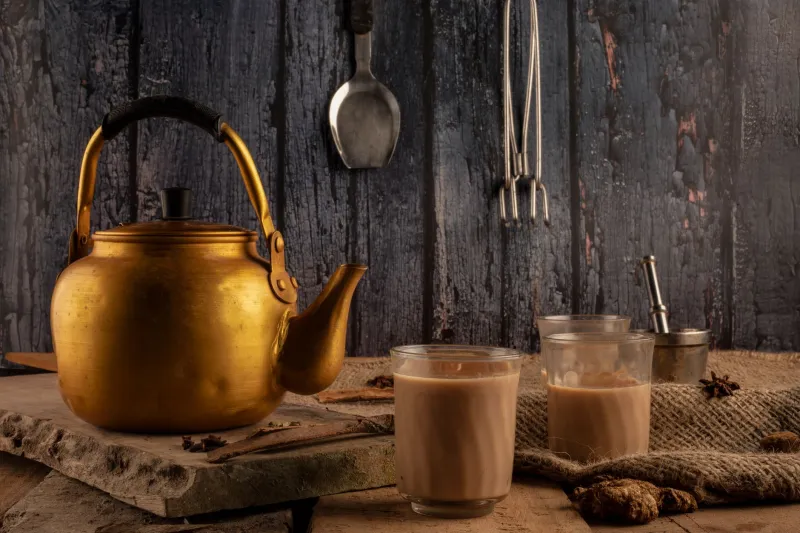
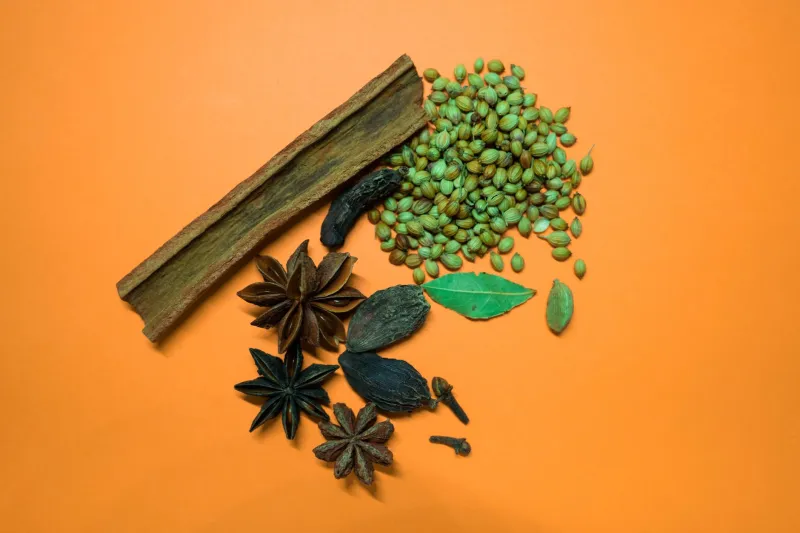
- Look for visible spices. Many serious shops will have a jar of green cardamom pods, cloves, cinnamon bark, or fresh ginger root somewhere behind the bar. It's their version of displaying the espresso machine.
- Check the sweetness. Authentic masala chai is lightly sweetened, often with the sugar added during the simmer so it caramelizes slightly. If your cup tastes like dessert, syrup was involved.
- Notice the tea itself. Strong, brisk Assam or a CTC-style black tea is traditional and gives chai its backbone. If the drink tastes like spiced milk with no tea presence, the base was an afterthought.
- Ask about the milk. Traditional chai is often made with whole milk boiled right into the brew, which creates a richness steamed milk can't replicate. Cafes that understand this will tell you.
The Single-Origin Argument
Here's the opinion part, and we'll own it: chai deserves the same respect the third-wave movement gave coffee.
We track coffee from farm to cup. We celebrate the roaster, the varietal, the processing method. Meanwhile, the cardamom in a great chai might come from Guatemala, the ginger from Peru, the cloves from Madagascar — and almost nobody asks. A tea blend can express terroir and a spice blender's craft just as vividly as any washed Yirgacheffe.
The best American cafes are starting to treat it that way: sourcing loose Assam, grinding spices in-house weekly, and listing their chai ingredients on the menu the way they list coffee origins. When you find one of these shops, support it. Every cup purchased is a vote for chai as a craft beverage, not a flavor pump.
Bring the Standard Home
The best part? You don't need a cafe to drink well. Our full brewing guide walks through the traditional stovetop method — blooming whole spices in water, adding the tea, then the milk, and simmering until it all comes together. Once you've had chai made that way, the syrup version is hard to go back to.
And the next time a barista hands you a genuinely great cup of chai, ask them about it. You might get a story about the spice blend they've been tweaking for months. Those are the shops where the chai wars are being won.