Stock the Shelf: Your Complete Chai Pantry Checklist for Home Brewers
There's a particular kind of heartbreak that happens at 7 a.m. You've got the water on, the milk measured, and then you open the spice drawer to discover your cardamom tin contains nothing but a faint, sweet-smelling memory. If you're serious about chai at home, the fix isn't just buying more cardamom — it's building a pantry that can support your habit year-round.
Here's our complete checklist, organized from absolute essentials to nice-to-haves, with sourcing tips for US shoppers.
The Non-Negotiables
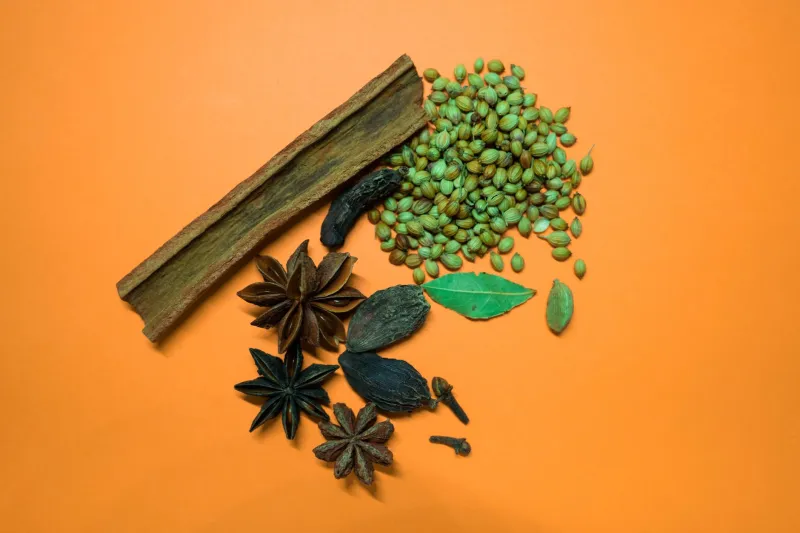
1. Green cardamom pods. The soul of chai. Buy whole pods, never pre-ground — ground cardamom loses its eucalyptus brightness within weeks. Indian grocery stores (patel brothers, any local spice market) sell whole pods for a fraction of what you'll pay at a mainstream supermarket. Expect to pay $8–14 for a generous bag that lasts months.
2. Whole cloves. Warm, peppery, and potent. A little goes a long way — a two-ounce bag will outlive most of your kitchen gadgets. Check the bulk bins at natural foods stores like Whole Foods or Sprouts; you'll often pay pennies per ounce.
3. Cinnamon sticks. Skip the jars of ground cinnamon entirely. Sticks (preferably Ceylon, though cassia works fine for brewing) hold their flavor for a year or more and infuse the pot gently rather than turning your chai muddy.
4. Fresh ginger. Not a spice, but essential. A knuckle of fresh ginger, smashed with the flat of your knife, delivers a heat that powdered ginger simply can't match. It's cheap at any grocery store, and it freezes beautifully — grate it straight from the freezer.
5. Assam black tea. The backbone. Assam's malty, brisk profile stands up to milk and spice without disappearing. Look for loose-leaf from any reputable tea retailer, or grab CTC (crush-tear-curl) style Assam if you want that authentic, strong street-style brew.
The Supporting Cast
6. Black peppercorns. A few cracked peppercorns add an unexpected edge that makes the other spices pop. Standard Tellicherry peppercorns from anywhere will do.
7. Fennel seeds. Optional in many recipes, beloved in others. They lend a gentle sweetness, especially in chai styles from western India.
8. Whole star anise. One pod per pot is plenty. It's dramatic-looking, long-lasting, and adds a licorice depth that pairs beautifully with cinnamon.
9. Dried ginger powder. Keep it on hand for days when the fresh stuff is gone — it works in a pinch, especially whisked into the milk.
10. Honey or jaggery. Jaggery (unrefined cane sugar) is the traditional sweetener and gives chai a caramel richness. Most Indian groceries carry it in block or granulated form. Honey works too — just add it off the heat.
Storage: Keep the Potency Alive
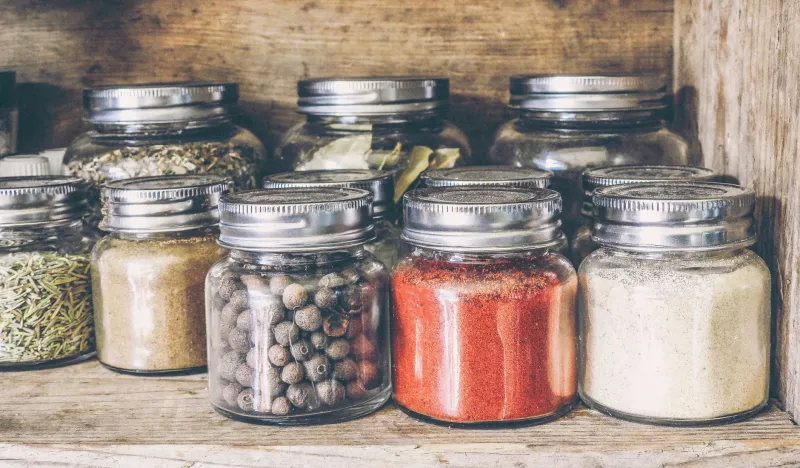
Spices don't spoil so much as they fade. Three rules will keep your rack vibrant:
- Buy whole, grind as needed. A $15 spice grinder (or a dedicated coffee grinder) pays for itself in flavor.
- Keep them dark and airtight. That cute spice rack above the stove? It's a flavor killer. Heat and light strip essential oils fast. Store jars in a closed drawer or cupboard instead.
- Label with purchase dates. Whole spices keep well for a year; ground spices start fading around the six-month mark. When in doubt, crush a pod or rub a leaf — if the aroma is shy, so is the flavor.
Budget-Friendly Starters
Building this pantry from scratch can feel expensive, but it doesn't have to be. Start with just four items — Assam tea, cardamom, ginger, and cinnamon — and brew a simple, satisfying chai while you add the rest over time. The bulk aisle is your friend: one shopping trip to an Indian grocery or a store with bulk bins can stock half this list for under $25. And honestly, a $25 spice haul makes roughly sixty cups of chai. Compare that to a $6 latte habit and the math makes itself.
A well-stocked chai pantry is quietly luxurious. It means that no matter the weather, no matter the day, a proper cup of chai is fifteen minutes away — and that's a kind of security worth stocking up on.