Ditch the K-Cup: The Case for a Real Chai Station at Your Office
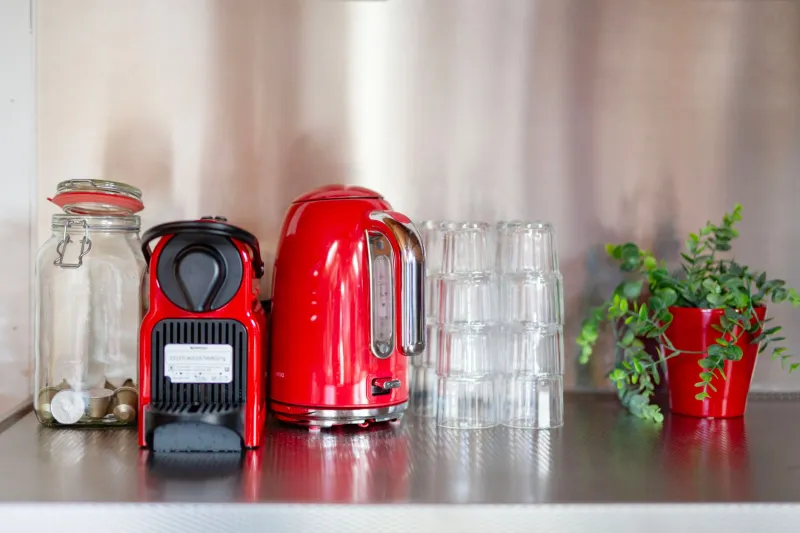
Walk into any office break room in America and you'll find the same scene: a humming machine, a carousel of K-cups, a half-empty carton of non-dairy creamer, and a sink with a reputation. We've accepted that workplace beverages are supposed to be joyless. We'd like to formally object.
Chai — real chai, simmered with spice and milk — belongs in the office. Here's the argument, and the playbook for making it happen.
The Productivity Case (Yes, Really)
The 3 p.m. slump is real, and the standard response — a fifth cup of burnt drip coffee — is a jittery treadmill with diminishing returns. Chai offers a gentler profile: black tea delivers a moderate caffeine lift, but the milk and spices slow the absorption, giving you sustained alertness without the crash. Cardamom, ginger, and cinnamon have long histories in wellness traditions, and even if you're skeptical of the health claims, the ritual itself matters. A ten-minute chai break is a legitimate reset. Studies on workplace breaks keep saying the same thing: short, deliberate pauses beat grinding through. Chai just gives those pauses a flavor.
There's also the social angle. Coffee corners exist because people want a reason to talk to each other. A chai station — with a pot simmering, spices on the shelf, a bit of ceremony to it — creates exactly the kind of low-stakes gathering point that Slack channels never will.
Companies Are Already Doing It
This isn't a radical proposal. Tech offices in the Bay Area have stocked masala chai in their kitchens for years, and companies with South Asian workforces have long understood that a good kettle and a tin of Assam are retention tools. Several national coworking chains now feature tea stations alongside the espresso machines. The pattern is simple: when employers treat tea as seriously as coffee, tea drinkers stop quietly enduring and start visibly appreciating.
How to Pitch It to Your Office Manager
Office managers respond to three things: cost, mess, and morale. Lead with the third, close with the first two.
Step 1: Do the math. A starter chai setup costs less than a decent office chair. Compare: an electric kettle ($30–50), a box of loose Assam ($15, lasts weeks), a starter spice blend ($10–15), and a canister of milk powder or shelf-stable oat milk. Total damage: under $100 to start.
Step 2: Address the mess concern preemptively. This is where most pitches die, so come armed. The key gear for shared spaces:
- An electric kettle with a concealed heating element — no scale buildup, no scrubbing
- A single stovetop saucepan with a lid designated as the chai pot, or better, a small milk frother for individual cups
- Pre-portioned spice blend jars so nobody's grinding cloves at 9 a.m.
- A small dish rack and a posted cleaning routine — one laminated card does wonders
Even simpler: heat-and-steep chai concentrates or loose-leaf steeping baskets make the process nearly zero-mess for the casual crowd, while enthusiasts can simmer the real thing.
Step 3: Offer to run the pilot. Volunteer to stock and maintain it for a month. Nothing disarms an office manager like an offer that requires zero work from them.
Step 4: Bring a sample. Brew a batch at home, bring a thermos, and let the chai make the argument for you. It's remarkably persuasive.
A Modest Proposal
Nobody's office career was ruined by a good cup of tea. But plenty of afternoons have been salvaged by one. If your break room is currently a shrine to beige beverages, print this out, tape it to the fridge, and start the conversation. The kettle, as we like to say around here, is already on — it's just waiting for your office to catch up.