Syrup Isn't Spice: What Your Coffee Shop Gets Wrong About Chai (and How to Fix It)
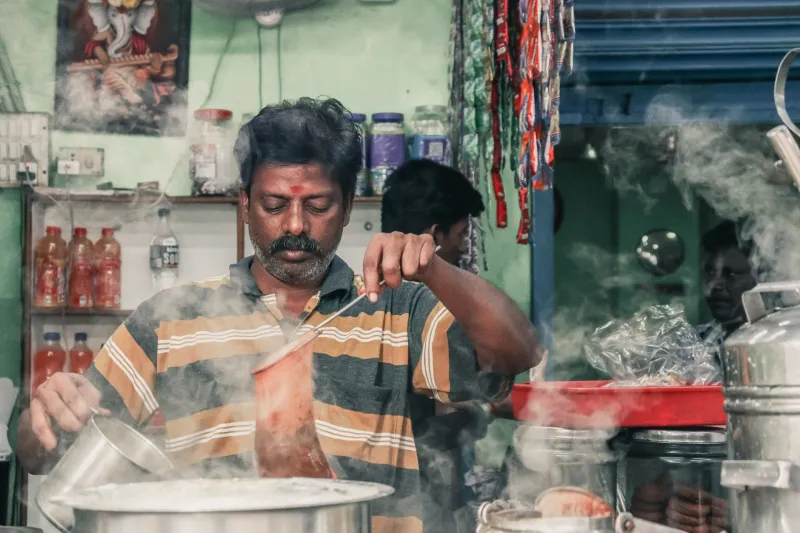
Order a 'chai latte' at a drive-thru in Ohio and you'll get something sweet, frothy, and pleasant. Order chai — just chai — at a stall in Mumbai and you'll get something else entirely: a small glass of dark, milky tea, simmered hard with whole spices, ginger heat at the back of your throat, and sugar that's there to balance, not dominate.
Both are called the same thing. Only one of them is brewed.
What's Actually in That Cup?
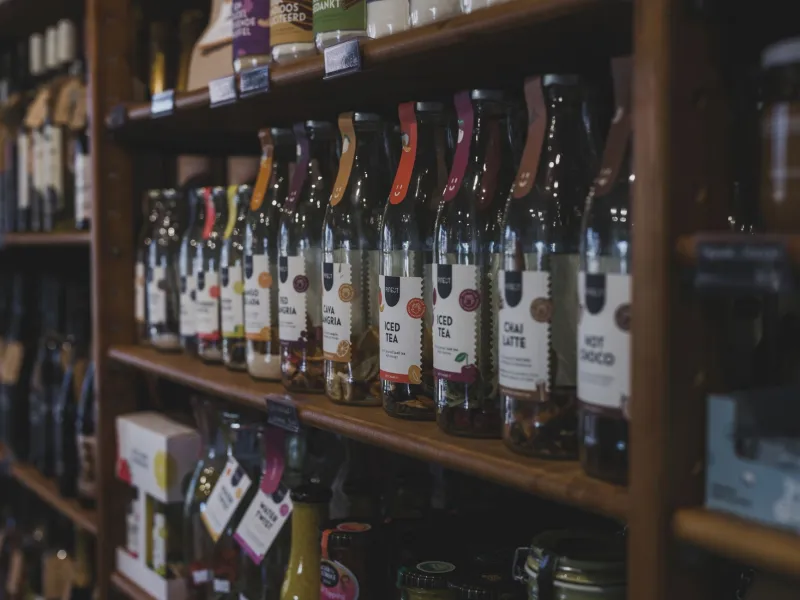
Here's the uncomfortable truth about most coffee chain chai lattes: the 'chai' is a concentrate, and that concentrate is often mostly sugar, water, natural flavors, and a spice blend that leans heavily on cinnamon because it's the cheapest spice on the shelf. The barista steams milk, pumps in syrup, and calls it a day. No simmering. No blooming spices. No tea leaves ever touching the milk.
'It's the difference between hot chocolate and a cup of warmed chocolate syrup,' says Ravi Desai, who runs a chai cart in Austin's weekend markets. 'Nobody would call syrup hot chocolate. But with chai, the name stuck to something it doesn't really describe.'
The numbers back him up. A 16-ounce chai latte at a major chain can pack 40-plus grams of sugar — most of it from the concentrate, not the milk. A traditionally brewed cup of masala chai uses a fraction of that, because real spice has flavor depth that sugar is usually masking.
What Gets Lost in Translation
We asked a handful of Indian-American home brewers what they wish coffee shops understood. Their answers clustered around three things:
The simmer. Authentic chai isn't steeped — it's boiled. Tea leaves, crushed ginger, and spices go into water and milk together, and the whole thing rolls to a boil two, sometimes three times. That rolling boil is what creates the body and the malty edge that concentrate versions never capture.
The spice, whole and alive. Cardamom pods cracked seconds before brewing, a knob of fresh ginger grated on the spot, cloves and peppercorn that hit the pot whole. Ground spice blends in a syrup lose their aromatics within weeks; whole spices release their oils on contact with heat.
The balance. In most Indian households, sugar exists to round out the bite of strong Assam tea and pungent ginger — not to be the headline act. When sweetness leads, everything else disappears.
'When I taste a chain chai latte, I taste cinnamon sugar milk,' says Priya Nair, who's been brewing chai for her family in New Jersey for thirty years. 'I don't taste cardamom. And cardamom is the soul of it.'
A Note on Gatekeeping
Here's where we pump the brakes a little. The chai latte's rise in America has done real good: it put Indian flavors on mainstream menus, created demand for spice imports, and gave a lot of people their first taste of something beyond black coffee. Mocking someone's pumpkin-spiced-adjacent order helps nobody.
Desai puts it well: 'I'd rather be someone's gateway than their gatekeeper. If the syrup version gets you curious, great. I just want you to know there's a whole house behind that door.'
So this isn't a scolding. It's an invitation.
The Five-Minute Bridge: A Real Chai That Won't Intimidate You
If you love your latte but want to taste the real thing, start here. This makes two mugs and uses pantry-spice-level effort.
You'll need: 1 cup water, 1 cup whole milk (oat works too), 2 teaspoons strong black tea leaves (Assam or CTC), 3 green cardamom pods (cracked), 2 whole cloves, 1 small piece of fresh ginger (smashed), 1 thin slice of fresh ginger root, sugar or honey to taste.
- Crush the cardamom pods under the flat of a knife. Smash the ginger with the side of your blade. Don't grind anything — whole is the point.
- Combine water, spices, and ginger in a small saucepan. Bring to a boil and let it bubble for two minutes. Your kitchen should already smell different from any syrup-based latte.
- Add the tea leaves and simmer one more minute.
- Pour in the milk, add sweetener, and bring it back to a rolling boil. Watch it — chai boils over fast. Kill the heat the second it rises.
- Strain into your favorite mug. No foam art, no syrup pump. Just steam and spice.
Taste It Once, and You'll Know
The first sip of properly brewed chai is a small revelation: the heat is from ginger, not syrup; the sweetness sits behind the spice instead of in front of it; the tea actually tastes like tea.
Keep ordering your coffee shop latte if it makes you happy — no judgment from this corner of the internet. But brew a real pot once, ideally on a slow Sunday morning, and you'll understand why a billion cups a day don't need a syrup pump to be worth drinking.