Your Chai Isn't Done When You Think It Is: The Case for the Second Boil
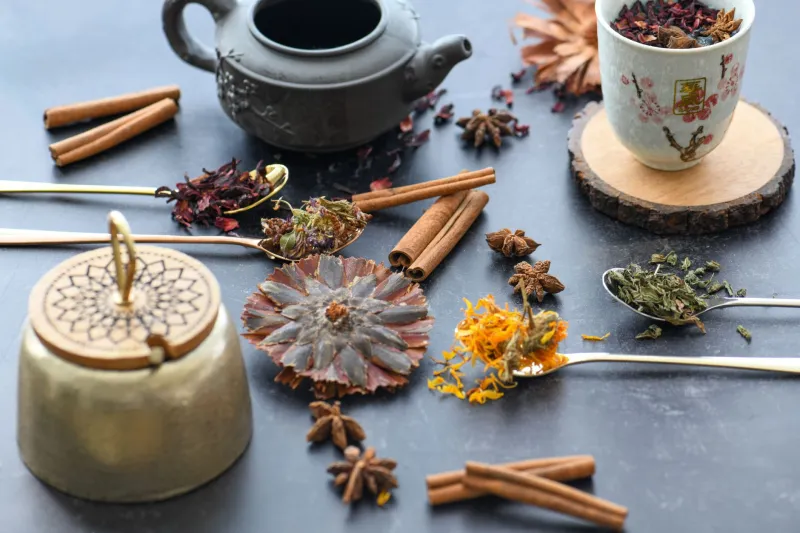
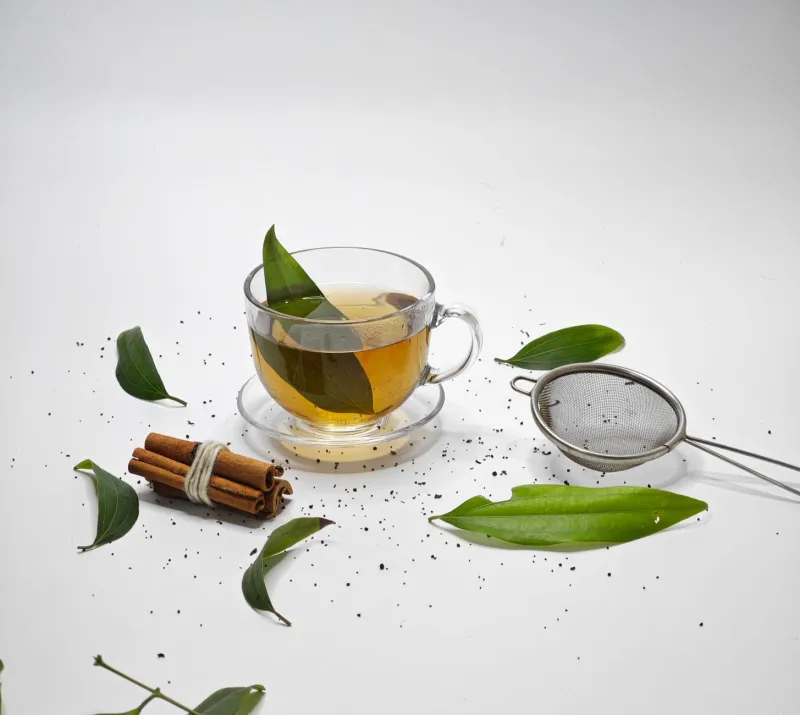
There's a quiet moment of guilt that happens in kitchens across America every evening. The chai is finished, the mugs are empty, and there, sitting in the strainer, is a soggy pile of tea leaves, cardamom pods, and cinnamon bark that's about to go in the trash.
Here's the thing: that pile isn't spent. Not even close.
We ran an experiment in the Chai Online test kitchen this month, boiling a single batch of whole-spice masala chai through three successive brews, tasting and scoring each one. What we found changes how we'll make chai at home from now on — and it might save you a few hundred dollars a year.
Why Chai Is Built for Round Two
Coffee is a one-shot deal. Pull an espresso through a puck of grounds twice and you'll get bitter, watery regret. But chai is different, and the reason comes down to structure.
Whole spices are essentially flavor vaults. A cracked cardamom pod releases its oils in stages, not all at once. Cinnamon bark, cloves, and black peppercorns behave the same way — a rolling ten-minute boil extracts maybe half of what they have to offer. Even a robust Assam or CTC base holds onto plenty of tannin and maltiness for a second pass.
The result: batch two doesn't taste like leftovers. It tastes like a lighter, rounder cousin of batch one.
The Three-Brew Test
We brewed a standard stovetop masala chai — two tablespoons of loose Assam, a cracked cardamom pod, a slice of fresh ginger, a two-inch piece of cinnamon, three cloves, a few black peppercorns, and one cup of water per serving, boiled hard for ten minutes before milk and sweetener went in.
Then we saved the spent leaves and spices and did it all again. And again.
Brew one: The obvious winner on paper. Bold, spicy, tannic, exactly what you'd expect. But honestly? The pepper bite was almost aggressive.
Brew two: This surprised us. The spice was softer and more integrated — the cardamom came forward while the pepper mellowed. If anything, this was the most balanced cup of the three. We needed about thirty extra seconds of boiling to reach comparable strength, and a touch more tea would help, but it stood on its own.
Brew three: The tea base was clearly tired — pale, thin, more spice-water than chai. But the spices themselves still had something to say. Our fix: add a half-teaspoon of fresh loose leaf to the spent mix and re-boil. That little boost brought it back to a legitimate afternoon cup, lighter and gentler than the first two.
After brew three, the ginger and cardamom finally gave up. That's your stopping point.
The Math That'll Make You Smug
Let's talk numbers, because this is where thrifty brewing stops being a quirk and starts being a strategy.
A quality whole-spice masala blend runs roughly $12 to $15 for four ounces — call it $14. At two tablespoons per pot, that's about eight pots per bag. Brewed once, that's roughly $1.75 per pot. Brewed twice? $0.88. Three times, with a pinch of fresh leaf added to round three? Around $0.65.
Compare that to the $5 to $7 you'll hand over at a café chain for a chai latte that's mostly syrup and steam. Even brewing just two pots from every batch, you're getting your homemade cup for less than a quarter of the coffee-shop price — and you control the sugar, the milk, and the spice level while you're at it.
If you drink chai every morning like we do, re-steeping saves real money. We're talking $400-plus a year. That's a proper kettle. That's a plane ticket to visit family for the holidays.
Adjusting as You Go
Each successive brew needs a little coaching. Here's our cheat sheet:
- Boil longer. Add 30 to 60 seconds of boiling time per round to pull out what's left.
- Refresh the aromatics. A fresh slice of ginger or one new cardamom pod costs pennies and wakes up a tired blend.
- Top up the tea. A half-teaspoon of fresh loose leaf in round three restores body without wasting much.
- Sweeten later, not more. Later brews can taste slightly more astringent relative to their body, so taste before you pour the jaggery or honey — you may need less than you think.
- Mind the milk. Add milk only in the final two minutes of each boil to avoid scalding and that cooked-milk skin.
One important note: refrigerate your spent spice mix if you're not brewing again the same day. It'll hold overnight just fine in a covered container, but two days and the ginger starts turning.
When Not to Re-Steep
A word of honesty: this trick works because we used whole spices and quality loose leaf. If your chai comes from pre-ground masala or — we'll say it gently — a squeeze bottle of syrup, there's nothing left to salvage. Ground spices exhaust themselves in a single boil. This whole approach is yet another argument for keeping whole spices in your pantry and cracking them fresh.
A Cup Worth Savoring Twice
There's something fitting about it, really. Chai has always been about generosity — the pot on the stove, the extra cup poured for whoever walks in. Treating one batch of spices as three cups instead of one feels less like a money-saving hack and more like the spirit of chai itself: nothing wasted, everything shared.
So tonight, when you're about to scrape that strainer into the trash, pause. Put the kettle back on. Round two might just be the best cup of the day.