One Pot, Four Sweeteners: We Brewed the Same Masala Chai with Honey, Jaggery, Sugar, and Maple
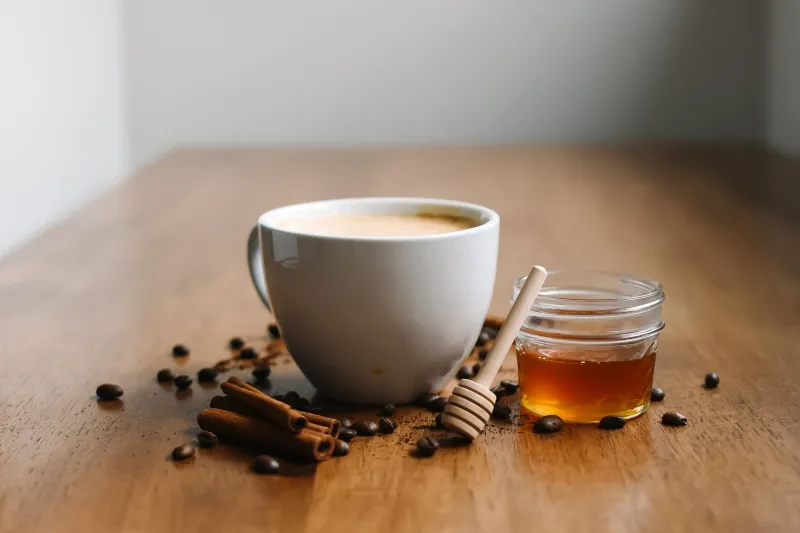
Sweetener is the quiet variable in chai. Everyone argues about spice ratios and milk fat percentages, but the sugar going into the pot? That decision gets made on autopilot. So we decided to slow down and pay attention.
We brewed four identical pots of masala chai — same Assam CTC, same freshly cracked cardamom, same grated ginger, same 2% milk, same simmer time. The only thing that changed from pot to pot was the sweetener. Then we tasted each one side by side, plain and simple, the way you would on a slow Sunday morning.
The Contenders
White sugar — the default in most American kitchens and most café chai.
Honey — a wildflower honey from a farmers market co-op, nothing fancy.
Jaggery — unrefined cane sugar, the traditional choice across much of India, now easy to find at Indian groceries or online.
Maple syrup — Grade A amber, because we're writing this in Vermont in October and it felt right.
Each pot got the same measured amount of sweetness, calibrated to equivalent sugar content so the comparison would be honest.
White Sugar: Clean but Anonymous
There's a reason sugar is the default: it disappears. It sweetens the tannins of the black tea, softens ginger's edge, and then gets out of the way. In our tasting, the sugar-sweetened cup was balanced, drinkable, and — honestly — a little forgettable. Cardamom came through brightest here, unmasked by anything. If your spice blend is the star of your chai, sugar lets it shine. It's also the cheapest option by a wide margin, at roughly pennies per pot.
The downside: sugar is a one-note instrument. It doesn't add anything. It only takes away bitterness.
Honey: The Warmest Cup
Honey changed the entire temperature of the chai — not literally, but emotionally. The wildflower variety brought a faint floral note that leaned into the cardamom beautifully. Ginger stayed punchy. The tannins felt rounder, less bracing.
Two caveats. First, cost: good honey runs three to five times the price of sugar, and we don't recommend using the cheap squeeze-bottle stuff, which tastes mostly of nothing. Second, honey has a distinct flavor personality. If you want a neutral chai, this isn't it. Also worth noting for anyone serving a crowd: honey isn't vegan and shouldn't be given to infants under one year old.
Jaggery: The Traditionalist, and It Shows
Jaggery is what much of India has sweetened chai with for generations, and one sip told us why. It brought a deep, caramel-adjacent richness — almost molasses-like — that made the chai taste complete. The tea tannins, which read as slightly sharp in the sugar pot, melted into something toasty and full. Ginger loved it. Cardamom got slightly pushed to the back, but the overall cup was the most satisfying of the four.
Jaggery is minimally processed and retains trace minerals, though let's be honest: you're adding it by the spoonful, not the multivitamin. Price-wise it's comparable to decent honey. The only real friction is availability — you'll likely need an Indian grocery or an online order, and it dissolves a bit more slowly than sugar. Grate it or chop it fine and add it early, while the water is still boiling.
Maple Syrup: The Wild Card
We expected maple to clash. It didn't — but it definitely declared itself. The maple cup tasted like chai wearing a flannel shirt: autumnal, cozy, with a woody sweetness that paired surprisingly well with the ginger. Where jaggery deepened the tea, maple redirected it. This is not the chai you'd serve someone expecting a traditional cup. It is the chai you'd serve at a Friendsgiving potluck and get asked for the recipe.
Maple is the priciest option per serving, and its wateriness means you may want to reduce your liquid slightly. But for seasonal brewing — October through December, say — it's genuinely delightful.
The Verdict
If we had to pick one sweetener for the daily pot, jaggery wins. It delivered the richest, most cohesive cup, it's affordable once sourced, and it honors the tradition of the drink itself. Keep white sugar on hand as your reliable, neutral backup, save honey for mornings when you want a little extra warmth, and pull out the maple syrup when the leaves start turning.
A Quick Note on Allergies and Diets
- Sugar and jaggery are vegan-friendly and allergen-free, though jaggery is sometimes processed in facilities that handle nuts — check the label if that matters to you.
- Honey is not vegan and is unsafe for babies under 12 months.
- Maple syrup is vegan and allergen-free, making it the most universally shareable option.
One Last Tip
Whichever sweetener you choose, add it during the simmer, not after. Sugar dissolved in hot milk-and-tea at the end tastes flat; sweetener that boils alongside the spices for a few minutes becomes part of the chai instead of sitting on top of it. That one change matters more than which jar you reach for.
Now go put a pot on. Your kettle's waiting.