Batch Life: The Honest Guide to Keeping Chai Concentrate Fresh (and Bringing It Back From the Brink)
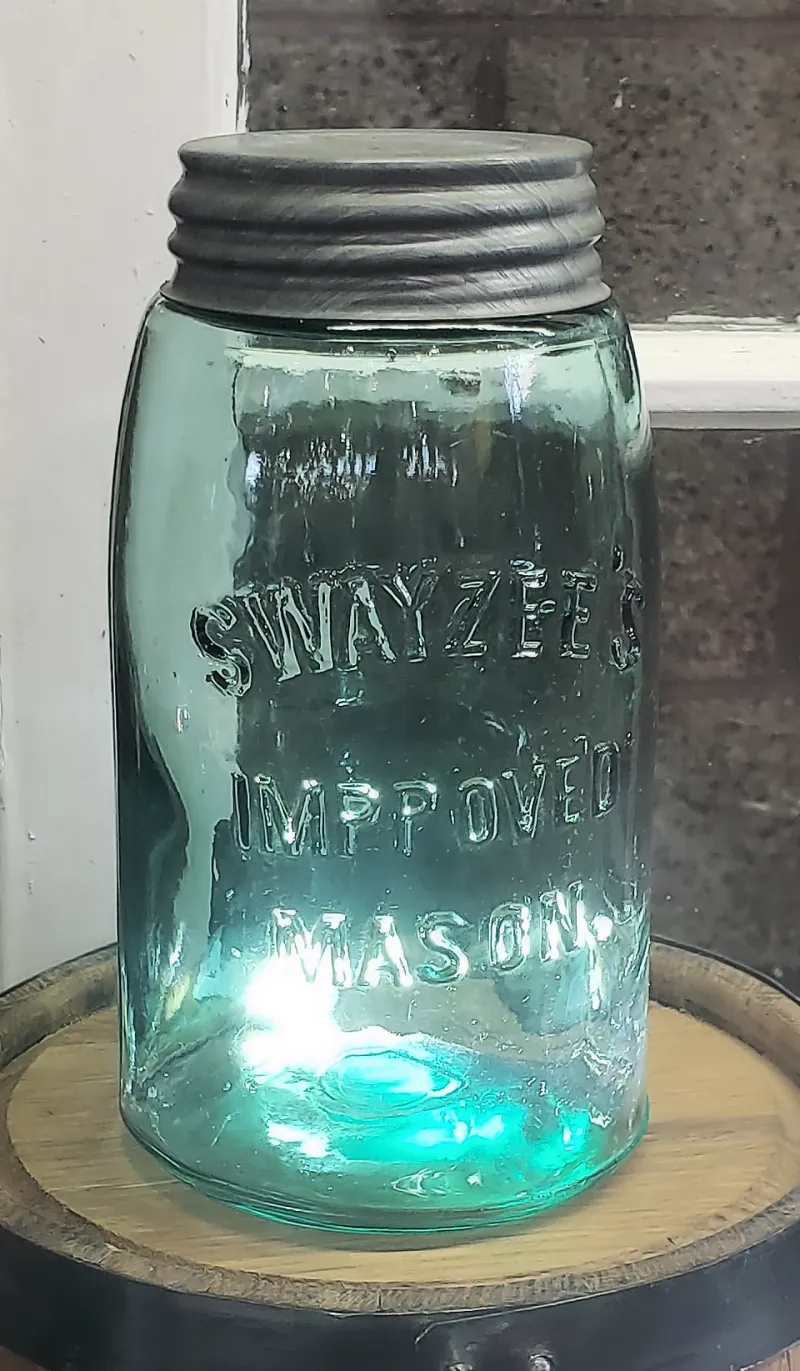
Photo: Eric Polk, CC BY-SA 4.0, via Wikimedia Commons
There's a moment every busy chai lover knows: Sunday evening, a big pot of double-strength masala chai cooling on the stove, and the quiet hope that this batch will carry you through Friday. But does it? Does freezing really nuke the cardamom? And what's actually happening in that mason jar on day nine?
We wanted real answers, so we ran a simple month-long experiment. One big batch of classic masala chai concentrate — Assam CTC, whole spices, whole milk left out (more on that later) — split into containers and tracked week by week. Here's what we learned about storing, freezing, and reviving your brew without losing its soul.
First, the Golden Rule: Brew It Strong, Store It Plain
Before we talk storage, one foundational tip: never store chai with milk already in it if you can help it. Milk-based concentrate turns in a couple of days, tops, and it curdles unpredictably when reheated. Brew your spices and tea strong — double or even triple strength — and add fresh milk when you pour. The concentrate keeps dramatically longer, and every cup tastes freshly made.
The Fridge Timeline: What We Tasted, Week by Week
We kept glass jars of plain (milk-free) concentrate in the back of the fridge, where temperatures stay steadiest, and tasted them every few days.
Days 1–3: The peak. This is concentrate at its best. The cardamom still hums, the ginger has a gentle bite, and the black tea carries everything. Honestly, day-two chai often tastes better than day-one — the flavors have married.
Days 4–7: Still excellent. Minor softening of the bright top notes, but a blind taster wouldn't complain. If you're batching for a workweek, this window covers you completely.
Days 8–14: The slow fade. The aromatics go quiet first. The cup still tastes like chai, but it's chai turned down to volume three. A splash of freshly cracked cardamom or a quick simmer with a fresh ginger slice brings most of it back (more on revival below).
Days 15–21: Drink-with-expectations territory. No spoilage in our plain concentrate — the tannins and spices act as natural preservatives — but flatness sets in. Fine for iced chai lattes where you're adding syrup or extra spice anyway.
Day 22+: Time to let go. If it smells musty, tastes sour, or shows any cloudiness or fizz, it's done. Trust your nose.
Does Freezing Kill the Spice Aromatics?
Short answer: it dulls them, but it doesn't destroy them.
We froze concentrate in two formats — a full jar and ice-cube trays — and thawed samples at the one-week and one-month marks. The one-week thaw was remarkably close to fresh; maybe five percent dimmer in the aromatics department. The one-month jar had lost some of the volatile top notes (cardamom suffers most; ginger and clove hold on admirably), but a quick re-warm with a fresh spice pinch closed the gap almost entirely.
Pro tip: freeze in ice-cube trays, then transfer the frozen chai cubes to a freezer bag. Each cube is roughly a single strong serving. On cold mornings, drop three cubes in a mug, microwave for 90 seconds, add hot milk, done. It's the best lazy-chai hack we've tested all year.
The Revival Toolkit: Waking Up a Flat Batch
A faded concentrate isn't a lost cause. In order of effectiveness:
- The quick simmer. Pour what you need into a small pot, drop in two cracked cardamom pods and a thin coin of fresh ginger, and bring it just to a simmer for 60 seconds. This is the single best fix — the heat volatilizes what's left and the fresh spices paper over the gaps.
- The spice-bag steep. Drop a small muslin bag of whole spices into the warming concentrate for a few minutes. Gentler than simmering, great for delicate batches.
- The finisher pour. Skip fixing the concentrate and fix the cup: a fresh-grated dusting of nutmeg or an extra-crushed peppercorn in the mug adds a top note the batch lost.
What doesn't work: adding more tea leaves to old concentrate and re-boiling. It turns tannic and bitter fast. Resist.
Container Matters More Than You Think
Glass beat plastic in every test. Plastic absorbs spice oils — our plastic container batch picked up a faint off-note by day ten, and the container smelled like chai for weeks afterward. Wide-mouth mason jars are cheap, airtight, and don't hold onto clove forever. Leave an inch of headspace if freezing, since liquids expand.
And keep the light out. Concentrate stored in a clear jar on the fridge door faded faster than the same batch in the dark back corner. Light degrades those aromatics you worked so hard to build.
The Bottom Line for Batch Brewers
If you brew once a week: plain concentrate in glass, fridge only, add milk fresh. If you brew every two or three weeks: freeze in cubes, thaw what you need, and give it a 60-second simmer with fresh ginger to bring it back to life.
Batch chai isn't a compromise — it's a strategy. Brew it strong, store it smart, and even your busiest Wednesday morning can start with a cup that still tastes like Sunday.