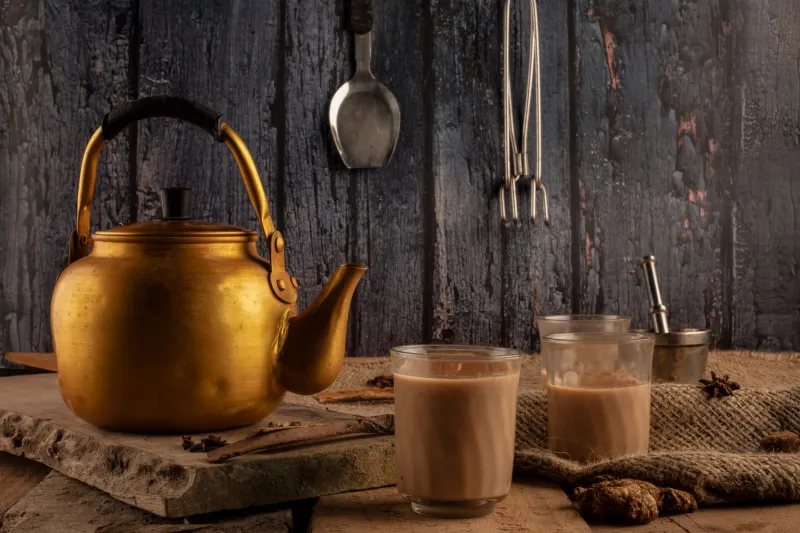
Ice Is the Enemy: Building a Summer Chai That Doesn't Melt Into Sadness
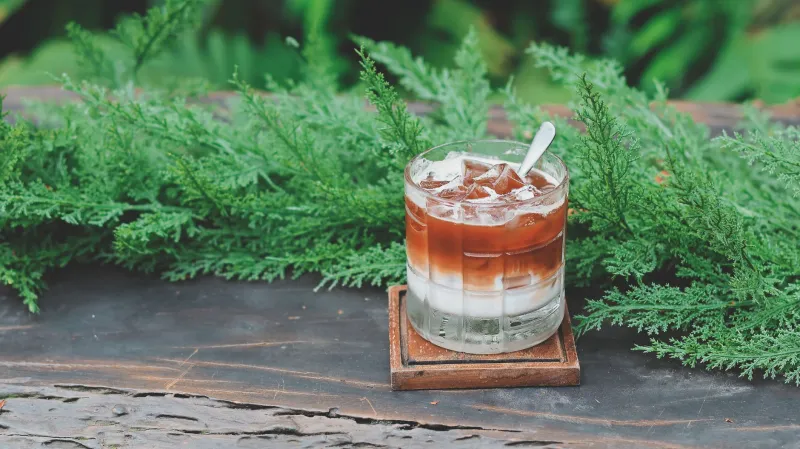
There's a particular heartbreak that comes with the first sip of homemade iced chai. You brewed it right. You tasted it hot, and it was perfect — warm, spiced, gently sweet. Then it hit the ice and vanished. What's left is a pale, cinnamon-adjacent shadow of the drink you wanted.
Here's the truth nobody at the café counter tells you: iced chai isn't hot chai that got cold. It's a different drink that needs a different blueprint. Let's fix yours.
Why Your Ratio Betrays You Over Ice
When you brew a standard cup of masala chai, you're building flavor for a hot, open glass. Water carries those spice oils and tea tannins beautifully at temperature. Then you pour it over ice, and two things happen at once.
First, dilution. A typical 12-ounce glass of ice melts into roughly six ounces of water as you drink. That's a 50% addition of flavorless liquid to a brew calibrated for none of it.
Second, chill. Cold suppresses our perception of sweetness and aromatics. Spices that sang at 180°F go quiet at 40°F. Your cardamom doesn't disappear — your tongue just stops hearing it.
The fix isn't complicated, but it does require doing some math you normally don't have to think about.
The Brew-Strength Math, Minus the Headache
For iced chai, aim for roughly double strength on the tea and about 1.5x on the spices and sweetener. In practice:
- Tea: If you normally use 2 teaspoons of loose Assam per cup, use 4 for iced. Yes, it will taste aggressive on its own. That's the point.
- Spices: Bump your cardamom, clove, and pepper up by half again. Black pepper especially — its gentle heat reads as refreshing when chilled.
- Sweetener: Cold dulls sweetness fast. Add honey or sugar at 1.5x your usual, then adjust after chilling, not while hot. A hot brew always tastes sweeter than the same brew cold.
One more tip: sweeten with simple syrup or honey stirred into the warm concentrate, never granulated sugar over ice. Undissolved sugar at the bottom of a cold glass is a rookie move we've all made once.
The Cold-Bloom Trick Most Home Brewers Skip
Here's where you can quietly out-brew your favorite coffee shop. Instead of tossing whole spices into hot water and hoping, toast and bloom them first.
Crush your cardamom pods, crack your cinnamon stick, and give everything a dry toast in your saucepan for 60–90 seconds until the kitchen smells like a spice market. Then add a splash of water and let the spices simmer briefly before the tea and milk go in.
Why bother? Heat wakes up the volatile oils, but a hard boil burns them off. Toasting first means more flavor gets extracted in less time — which matters when you're brewing strong and fast so the concentrate doesn't turn bitter.
Which Black Teas Survive the Chill
Not all black tea is built for ice. Delicate first-flush Darjeelings and lighter Ceylons fold under dilution and cold, tasting papery and thin.
What holds up:
- Assam — malty, thick, almost chocolatey when cold. The gold standard for iced chai.
- Kenyan or African black blends — brisk and bold, with a brightness that cuts through milk.
- CTC (crush-tear-curl) grades — the same style used in traditional Indian chai, and for good reason. It brews fast, strong, and stays punchy over ice.
Skip anything labeled "delicate" or "single-estate afternoon." Save those for the teacup months.
The Make-Ahead Concentrate That Beats the Café
This is the weekend project that pays off all week. It takes 25 minutes and keeps for five days in the fridge.
Summer Chai Concentrate
- 4 cups water
- 8 tablespoons loose Assam (CTC if you can get it)
- 1 cinnamon stick, cracked
- 10 green cardamom pods, crushed
- 6 whole cloves
- 4 black peppercorns, lightly crushed
- 1 thin slice fresh ginger (or 2, if you like a kick)
- 1/3 cup honey or maple syrup
Toast the whole spices dry for 90 seconds. Add water and ginger, simmer 5 minutes. Kill the heat, add the tea, and steep 6 minutes — no longer, or the tannins turn harsh. Strain, stir in the sweetener while warm, and chill.
To serve: fill a glass with ice, pour concentrate halfway, top with cold milk or oat milk. Give it a stir and taste. If it still seems shy, add a pinch of salt — it sounds strange, but a tiny pinch brightens cold spices like nothing else.
A Few Parting Tricks
- Freeze your milk into cubes. Coffee ice cubes are old news; frozen milk or oat-milk cubes chill without watering anything down.
- Brew a double batch and refrigerate overnight. Cold-steeped concentrate (steep the tea in the spiced water in the fridge for 8 hours instead of on the stove) tastes smoother and less tannic.
- Garnish like you mean it. A crack of black pepper or a dusting of cinnamon on top of the foam makes a Tuesday glass of iced chai feel like an occasion.
Summer chai shouldn't be an apology. Brew strong, bloom your spices, and let the ice do its worst — you've got flavor to spare.